
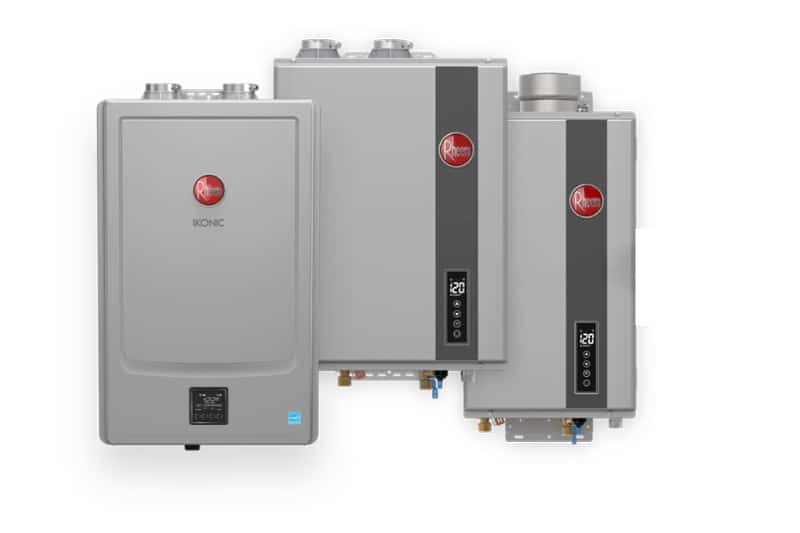
If you’ve ever run out of hot water during back-to-back showers or a busy dinner rush, a tankless water heater starts to sound pretty great. Around Lafayette, Westminster, Arvada, Broomfield, Superior, and Boulder, we hear this question a lot: are tankless water heaters a good upgrade? Short answer, often yes, if your home or business is set up for it and your hot water use fits the technology. At Aspen Creek Heating & Air, we help people weigh the real costs, performance, and day-to-day benefits so the upgrade actually feels like an upgrade.
Key Takeaways
- Tankless water heaters deliver continuous hot water within the unit’s GPM capacity, but undersizing leads to temperature drops or flow limiting.
- Gas tankless models fit Colorado’s cold inlet temps best, while whole-home electric often needs significant panel upgrades and works better as point-of-use.
- Right-size by calculating peak GPM and temperature rise (often 70–80°F in Denver–Boulder) and verifying gas line, venting, and electrical capacity.
- Upfront costs run higher than tanks, but 24–34% efficiency gains and available rebates can shorten payback, especially in new builds and planned remodels.
- Plan for hard-water maintenance—annual descaling, inlet filter cleaning, and optional recirculation—to protect efficiency and comfort over 20+ years.
- Choose tankless water heaters for space savings, smart controls, and endless hot water; opt for a high-efficiency tank if simultaneous demand or budget favors storage.
How Tankless Water Heaters Work Versus Storage Tanks
On-Demand Heating and Flow Rate Limits
Traditional storage tanks keep 40 to 75 gallons of water hot all day, then reheat when it cools. Tankless systems fire up only when you open a hot tap. Water passes through a high-output heat exchanger and comes out hot within seconds. That on-demand approach can deliver essentially endless hot water, but there’s a catch: maximum flow rate. If your showers, dishwasher, and laundry run at once and exceed the unit’s gallons-per-minute (GPM) capacity, the temperature can drop or the unit will limit flow.
In practice, a right-sized tankless feels seamless. Undersized, you’ll notice the limits. That’s why we model your fixtures and typical peak use before we quote.
Fuel Types: Gas, Electric, and Condensing Models
- Gas/propane: Highest output, best for whole-home needs and colder inlet water in Colorado. Requires proper gas line sizing, venting, and combustion air.
- Electric: Simpler to install, good for smaller households or point-of-use applications. In our colder climate, whole-home electric models often need significant electrical upgrades and may struggle at higher flow.
- Condensing gas: Uses a secondary heat exchanger to capture more heat from exhaust. Higher efficiency, cooler exhaust, and PVC venting in many cases.
We install both standard and condensing tankless systems and will recommend what aligns with your building’s infrastructure and budget. Aspen Creek Heating & Air can also compare tankless to high-efficiency tank models if that’s the smarter fit.
Pros You’ll Notice Day to Day
Endless Hot Water Within Capacity
No more timing showers around the tank. As long as your demand stays within the unit’s GPM rating, you get steady, continuous hot water, even for long showers or commercial cleaning cycles.
Space Savings and Flexible Placement
Tankless units mount on a wall and free up floor space in utility rooms, closets, or mechanical spaces. That space win is huge in Boulder bungalows and smaller commercial back rooms.
Energy Efficiency and Lower Standby Losses
Because there’s no storage tank, you aren’t paying to keep 50 gallons hot all day. The U.S. Department of Energy notes tankless systems can be roughly 24–34% more efficient for homes with moderate hot water use. Over a decade or more, that can add up.
Smart Controls and Recirculation
Many models offer app controls, leak alerts, and vacation modes. Add a recirculation pump and you’ll cut the wait for hot water at distant taps, handy in long ranch layouts we see around Lafayette and Superior.
Costs, Payback, and Incentives
Equipment and Installation Ranges
Tankless units generally cost more upfront than tank models. It’s not uncommon to see $1,000–$2,000 for equipment, plus professional installation. Install costs vary based on gas line sizing, venting path, condensate drain, and whether we’re replacing an existing tankless or converting from a tank.
Operating Costs by Fuel and Region
Gas tankless units tend to have the lowest operating cost in our area. Electric models can cost more to run and may require panel upgrades. Your real savings depend on usage, fuel rates, and whether you currently reheat water all day in a tank.
Rebates, Tax Credits, and Utility Programs
Local utilities and federal incentives change year to year. We’ll check current rebates for high-efficiency and condensing equipment at the time of estimate. Sometimes the incentives narrow the upfront gap enough to make tankless a clear winner.
Payback Windows: New Builds vs. Retrofits
In new construction, it’s easier to right-size gas lines, lay out venting, and plan recirculation. That reduces install complexity and shortens payback. Retrofits are still viable, but the payback often stretches if we have to upgrade utilities or re-route venting. Aspen Creek Heating & Air will show you the numbers both ways so you can decide with confidence.
Sizing, Performance, and Home Compatibility
Calculate GPM and Temperature Rise
Two numbers drive sizing:
- Total GPM at peak use. Add up the fixtures likely to run at the same time (for example, a 2.0 GPM shower + 1.5 GPM sink + 2.0 GPM washer = 5.5 GPM).
- Temperature rise. Subtract incoming water temp from your target hot water temp. In the Denver–Boulder area, winter inlet temperatures can dip into the 40s, so a 70–80°F rise is common.
Cold-Climate Sizing Tips
Cold water reduces a unit’s GPM capacity at set temperatures. Gas tankless models handle this better, and sometimes we’ll recommend a larger unit or a dedicated point-of-use tankless for a remote bathroom. At altitude, gas appliances also lose output. We account for that in our load calculations.
Gas Line, Venting, and Electrical Requirements
- Gas: Many whole-home units need larger gas lines than existing tank setups. We verify supply and meter capacity.
- Venting: Direct-venting to the outside is required. Condensing models use lower-temperature exhaust and often allow PVC venting and easy routing.
- Electrical: Even gas units need power for ignition and controls: electric tankless units may require significant amperage.
Whole-Home vs. Point-of-Use Strategies
Whole-home units simplify maintenance and serve the entire building. Point-of-use units excel at far fixtures with long pipe runs (like a detached garage sink) or commercial handwashing stations. Sometimes a hybrid approach is the sweet spot.
Practical Considerations: Installation, Maintenance, and Reliability
Venting, Condensate, and Combustion Air
Proper vent routing and combustion air are non-negotiable for safety and performance. Condensing units also produce condensate that needs a neutralizer and drain. We plan all of this during the site visit so there are no surprises on install day.
Descaling, Water Quality, and Filter Care
Hard water is common along the Front Range. Scale can reduce efficiency and shorten lifespan. Annual descaling or adding water treatment protects your investment. Clean the inlet screen filter regularly to keep flow steady.
Lifespan, Warranties, and Service Access
Tankless units often last 20 years or more with routine care. Many come with long heat exchanger warranties. We install with service access in mind so maintenance takes minutes, not hours. If you ever need support, our team at Aspen Creek Heating & Air is here with prompt, local service.
Common Quirks and How to Mitigate Them
- Cold-water sandwich: A brief cool blip when cycling fixtures. A small buffer tank or recirculation loop helps.
- Minimum flow to fire: Trickle flows might not trigger heating. Low-flow aerators that maintain enough GPM solve this.
- First-hot-water lag: Recirculation systems cut wait times at remote taps. Smart timers limit energy use.
When a Tankless Upgrade Makes Sense—and When It Doesn’t
Best-Fit Households and Usage Patterns
Tankless shines when you want:
- Continuous hot water for long showers or commercial cleaning
- Lower energy use and utility bills over time
- More space in the mechanical room or closet
- Smart control and optional recirculation
Cases Better Served by High-Efficiency Tank Heaters
If your building has extremely high simultaneous demand, limited gas supply, or you want the lowest upfront cost with a short payback, a high-efficiency tank can be the better play. We install those too and can size a larger tank or an indirect system to support peak loads.
New Construction, Remodels, and Rental Properties
New builds and major remodels are perfect moments to integrate tankless: we can size gas lines, route venting, and design recirculation from the start. For rentals and light commercial spaces, the long lifespan and energy savings are appealing, but we’ll weigh that against simple maintenance and tenant usage patterns.
So, are tankless water heaters a good upgrade? For many Lafayette, Westminster, Arvada, Broomfield, Superior, and Boulder properties, yes, when they’re sized and installed correctly. Aspen Creek Heating & Air will make sure the technology fits your usage, building, and budget.
Conclusion
If you’re weighing a tankless upgrade, the best path is a quick site visit and honest numbers. We’ll check your peak GPM, temperature rise, gas and electrical capacity, and talk through options like recirculation and water treatment. Then we’ll show you the cost, the projected savings, and any rebates available right now.
We’re local, family-owned, and we stand behind our work. When you’re ready, contact Aspen Creek Heating & Air for a free, no-pressure estimate. We serve homeowners and businesses across Lafayette, Westminster, Arvada, Broomfield, Superior, and Boulder, and we’ll help you decide if a tankless water heater is truly the right upgrade for you.
Tankless Water Heater FAQs
Are tankless water heaters a good upgrade for Colorado homes?
Often yes—especially when sized correctly for your peak gallons-per-minute (GPM) and the colder inlet water we see along the Front Range. Gas tankless models typically perform best here. You’ll gain continuous hot water within capacity, energy savings, and space, provided your gas, venting, and electrical are compatible.
How do I size a tankless water heater for my home?
Start with peak demand: add the GPM of fixtures likely to run simultaneously. Then calculate temperature rise by subtracting incoming water temperature from your target hot water temp. In Denver–Boulder winters, expect a 70–80°F rise. Choose a unit whose GPM at that rise meets your peak load.
What are the main pros and cons of tankless water heaters vs. tank models?
Pros: virtually endless hot water within capacity, higher efficiency (lower standby losses), and space savings. Cons: higher upfront cost, flow-rate limits if undersized, and potential utility upgrades for gas lines, venting, or electrical. With proper sizing and installation, most households notice seamless performance and lower long-term energy use.
How much does a tankless water heater cost to install, and are incentives available?
Equipment typically runs $1,000–$2,000, with installation varying based on gas line sizing, venting path, and condensate/drain needs. Gas units generally have lower operating costs locally. Federal and utility rebates for high-efficiency/condensing models change frequently and can narrow the upfront gap—check current programs at estimate time.
Do tankless water heaters work during a power outage?
Most gas tankless water heaters require electricity for ignition, controls, and fans, so they won’t operate during an outage without backup power. A small UPS or generator can keep them running. Fully electric tankless units also stop during outages, just like other electric appliances.
How long does tankless water heater installation take?
A straightforward replacement can be completed in roughly half a day. Conversions from a tank often take a full day or more if gas lines must be upsized, venting rerouted, or electrical upgraded. Site conditions, condensate routing for condensing units, and any code updates can extend timelines slightly.
