
If you’ve been searching for ways to keep your home cool without watching your energy bills skyrocket, whole-house fans deserve a spot on your radar. These ventilation systems have been around for decades, but they’re experiencing a serious resurgence as homeowners look for efficient, cost-effective cooling alternatives. But here’s the thing, a whole-house fan isn’t the right fit for every home or climate. We’re going to walk you through how these systems work, their benefits and limitations, and help you figure out whether one makes sense for your situation.
How Whole-House Fans Work and Why They’re Making a Comeback
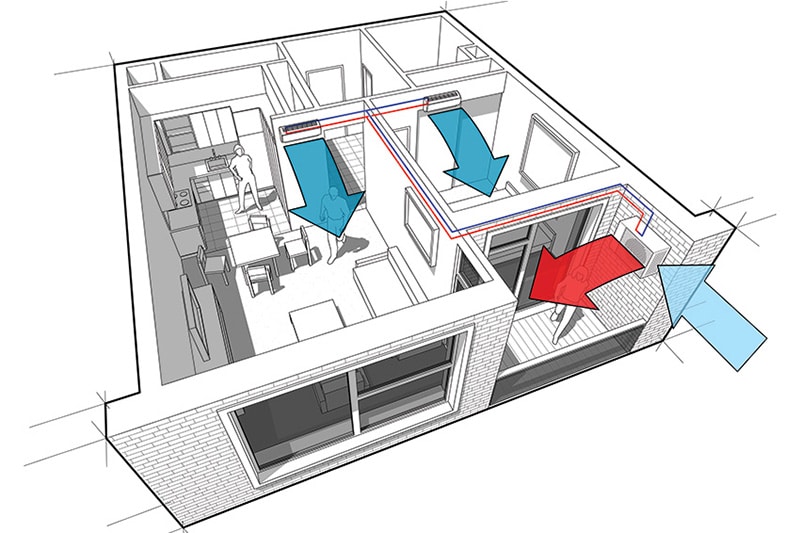
A whole-house fan is installed in the ceiling between your living space and the attic. When you turn it on, it pulls cooler outside air in through open windows and pushes the hot, stagnant air up through the attic and out via roof vents or gable vents. The result? A powerful exchange of air that can cool your entire home in minutes.
Unlike air conditioning, which recirculates and cools the same indoor air, whole-house fans flush out the accumulated heat of the day and replace it with fresh air from outside. It’s a simple concept that works remarkably well under the right conditions.
So why the comeback? Rising energy costs and growing environmental awareness have pushed homeowners to reconsider older, more sustainable cooling methods. Modern whole-house fans are also quieter and more efficient than their predecessors from the 1970s and 80s. Today’s models feature insulated dampers that seal when not in use, variable speed motors, and designs that minimize noise, addressing many of the complaints people had about older units.
Benefits of Installing a Whole-House Fan
The advantages of whole-house fans can be compelling for the right homeowner:
Energy Efficiency: Whole-house fans use a fraction of the electricity that air conditioners consume, typically 10-15% of what a central AC unit needs. Running one for several hours costs pennies compared to dollars.
Rapid Cooling: These fans can exchange the air in your home in just 2-3 minutes, quickly reducing indoor temperatures when the outside air cools down in the evening.
Fresh Air Circulation: Instead of breathing the same recycled air, you’re constantly bringing fresh outdoor air into your home. This can help reduce indoor pollutants and improve overall air quality.
Lower Installation Costs: Compared to installing a new central air conditioning system, whole-house fans are significantly less expensive, often between $1,000 and $3,000 installed, depending on the model and your home’s requirements.
Extended HVAC Lifespan: Using a whole-house fan during cooler parts of the day means your air conditioner gets a break, potentially extending its operational life and reducing maintenance needs.
Potential Drawbacks and Limitations to Keep in Mind
We’d be doing you a disservice if we didn’t mention the downsides. Whole-house fans aren’t perfect solutions, and there are real limitations to consider.
Noise: Even with modern improvements, whole-house fans produce noticeable sound. Higher-quality models with insulated mounting systems are quieter, but you’ll still hear them running.
Security Concerns: The system requires open windows to function properly. If you’re uncomfortable leaving windows open, especially at night, this could be a deal-breaker.
Allergies and Air Quality: Pulling outside air in means pollen, dust, and other allergens come along for the ride. For allergy sufferers, this can create problems during certain seasons.
Limited Effectiveness: When outdoor humidity is high, whole-house fans won’t provide relief. They also can’t help when it’s hotter outside than inside, you need that cooler evening and morning air for them to work.
Attic Ventilation Requirements: Your attic needs adequate venting to handle the airflow. Insufficient ventilation can reduce efficiency or even damage your roof.
Climate and Location: Does Your Region Make Sense for a Whole-House Fan?
Here’s where geography really matters. Whole-house fans work best in climates with significant temperature swings between day and night, typically 20°F or more.
Regions like Colorado, the Southwest, parts of California, and other areas with dry climates and cool evenings are ideal candidates. Here in Colorado, we experience exactly these conditions during much of the summer. The hot afternoons give way to pleasantly cool evenings, creating perfect conditions for whole-house fan operation.
On the flip side, if you live somewhere humid like Florida or the Gulf Coast, whole-house fans won’t cut it. High humidity means the outside air isn’t refreshing, it’s just trading one uncomfortable environment for another. And in areas where nighttime temperatures stay warm, you won’t have that cool air to pull inside.
Check your local weather patterns. If evenings regularly drop into the 60s or low 70s while daytime highs reach the 80s or 90s, a whole-house fan could significantly reduce your cooling costs.
Home Requirements and Installation Considerations
Not every home is immediately ready for a whole-house fan installation. Here’s what we evaluate when helping homeowners determine if their property is a good candidate:
Attic Space and Access: You’ll need sufficient attic space for the fan unit and easy access for future maintenance and repairs. Planning the installation area for accessibility is crucial.
Adequate Attic Ventilation: Your attic needs approximately 1 square foot of net free ventilation area for every 750 CFM of fan capacity. Insufficient venting can cause problems, so this may need to be addressed before installation.
Ceiling Location: The fan should be centrally located, typically in a hallway ceiling, to maximize airflow throughout the home.
Electrical Requirements: Most whole-house fans require a dedicated circuit. A qualified technician should assess your electrical panel capacity.
Window Accessibility: You need to be able to open windows throughout the house, preferably on multiple sides, to create proper cross-ventilation.
We recommend having a professional evaluate your specific situation before committing to installation. At Aspen Creek Heating & Air, we offer whole-house and attic fan installation services and can help you determine if your home is a good fit.
Whole-House Fan vs. Air Conditioning: Which Is Better for You?
This isn’t really an either/or question for most homeowners. The best approach often combines both systems strategically.
Air conditioners excel when outdoor temperatures are high and you need consistent indoor cooling regardless of outside conditions. They’re essential for humid climates and work around the clock without requiring open windows.
Whole-house fans shine during mild periods when outdoor air is cooler than indoor air. They dramatically reduce energy consumption and provide fresh air circulation that AC systems can’t match.
For Colorado homeowners, we often see the most success when people use their whole-house fan during pleasant mornings and evenings, then switch to air conditioning during peak afternoon heat. This strategy can cut summer cooling costs by 50-90% compared to running AC exclusively.
Consider your priorities: If absolute comfort at any temperature is essential, air conditioning remains your primary tool. If energy savings and fresh air matter more, and your climate cooperates, a whole-house fan can handle much of your cooling needs.
We’re happy to discuss how a whole-house fan might complement your existing HVAC system or help you weigh options for a new home. Our team at Aspen Creek Heating & Air services everything from central air conditioners to heat pumps to evaporative coolers, so we can give you honest guidance tailored to your home and budget.
Conclusion
A whole-house fan can be a smart investment, but only if your climate, home, and lifestyle align with its strengths. For homeowners in dry climates with cool evenings, like much of Colorado, they offer real energy savings and refreshing airflow. If you’re still unsure whether a whole-house fan makes sense for your home, reach out to us at Aspen Creek Heating & Air. We’ll help you evaluate your options and find the right cooling solution for your needs.
