
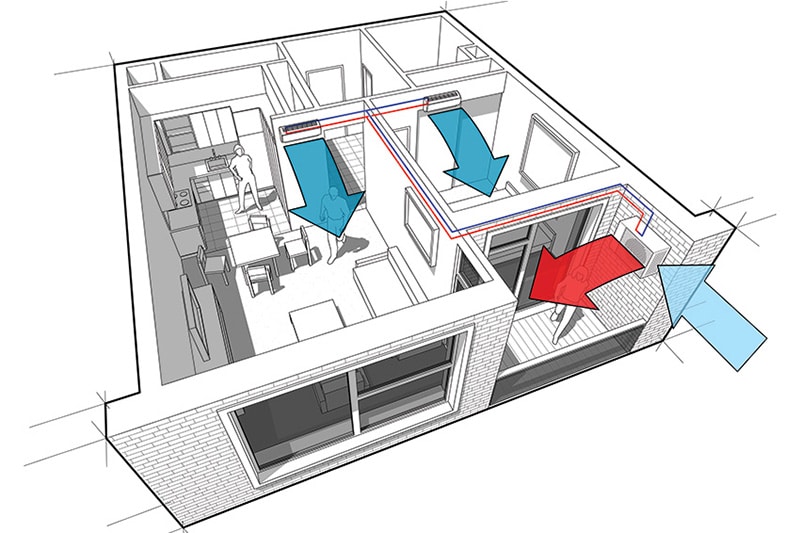
We’ve all been there, you’re comfortable in the living room, but the moment you walk into the bedroom, it feels like a different climate zone entirely. Hot and cold spots throughout your home aren’t just annoying: they can drive up energy bills as you constantly adjust the thermostat trying to find that sweet spot. The good news? Uneven temperatures are usually fixable. Whether you’re dealing with a stuffy upstairs, a freezing basement, or random pockets of uncomfortable air, we’re going to walk you through the most effective ways to reduce hot and cold spots and create consistent comfort in every room.
What Causes Uneven Temperatures Throughout Your House
Before you can fix the problem, it helps to understand what’s causing it. Uneven temperatures typically stem from a few common culprits.
Poor insulation is often the biggest offender. Older homes especially tend to have inadequate insulation in walls, attics, or crawl spaces, allowing conditioned air to escape and outside temperatures to seep in. Rooms above garages or below attics are particularly vulnerable.
Air leaks around windows, doors, and ductwork let heated or cooled air escape before it reaches certain areas of your home. Even small gaps can have a significant impact over time.
HVAC system imbalances play a major role too. If your system wasn’t properly sized for your home, or if ducts weren’t designed with optimal airflow in mind, some rooms will naturally receive more conditioned air than others. Also, ductwork running through unconditioned spaces like attics loses efficiency, sometimes dramatically.
Sun exposure and home layout matter as well. South-facing rooms absorb more heat, while rooms farther from your HVAC unit may not get adequate airflow. Multi-story homes often struggle with heat rising to upper floors while lower levels stay cooler.
Identifying which factors affect your home is the first step toward a solution.
Check Your Insulation and Seal Air Leaks
Improving insulation and sealing air leaks is one of the most cost-effective ways to eliminate hot and cold spots. And honestly, it’s something many homeowners overlook.
Start with an inspection. Check your attic insulation, if you can see the floor joists, you probably need more. The Department of Energy recommends R-38 to R-60 insulation for most attics, depending on your climate zone. Here in Colorado, proper insulation is especially critical given our temperature extremes.
Next, hunt for air leaks. Common trouble spots include:
- Window and door frames
- Electrical outlets on exterior walls
- Where pipes and wires enter your home
- Attic hatches and pull-down stairs
- Recessed lighting fixtures
Weatherstripping around doors and windows is an easy DIY fix. For larger gaps, use caulk or expanding foam sealant. Don’t forget to check your ductwork, leaky ducts can waste 20-30% of conditioned air before it ever reaches your rooms.
If you’re not sure where leaks are hiding, consider scheduling a professional energy audit. We can identify problem areas using specialized equipment like blower door tests and thermal imaging, taking the guesswork out of the equation.
Balance Your HVAC System With Damper Adjustments
Here’s something many homeowners don’t realize: your ductwork likely has dampers that control airflow to different areas of your home. Adjusting these can make a noticeable difference in temperature distribution.
Dampers are essentially valves inside your ducts, usually located near the main trunk line where branch ducts split off. They have small levers or handles that let you partially close or open airflow to specific zones.
The goal is to redirect more conditioned air to problem areas while reducing flow to rooms that are already comfortable. For example, if your upstairs is always too hot in summer, you might partially close dampers to downstairs rooms, forcing more cool air upward.
A few tips for balancing your system:
- Make small adjustments and wait 24-48 hours before evaluating results
- Mark damper positions so you can return to your baseline if needed
- Remember that seasonal changes may require different settings, what works in winter might need tweaking for summer
Proper AC duct sizing and an appropriate system of supply and return registers are crucial for maximizing both airflow and energy efficiency. If damper adjustments aren’t helping, the issue may be with your ductwork design itself. Shorter duct runs generally perform better, and ducts running through attics tend to lose efficiency due to temperature extremes in those spaces.
Optimize Airflow With Strategic Vent Placement and Fan Use
Sometimes fixing hot and cold spots is as simple as working with what you’ve got. Strategic use of vents and fans can dramatically improve air circulation without major renovations.
Don’t block your vents. It sounds obvious, but furniture, curtains, and rugs covering supply or return vents is incredibly common, and it wreaks havoc on airflow. Walk through your home and make sure every vent has clear space around it.
Keep vents open. There’s a persistent myth that closing vents in unused rooms saves energy. In reality, it creates pressure imbalances that can strain your system and worsen temperature inconsistencies elsewhere.
Use ceiling fans strategically. In summer, fans should rotate counterclockwise to push cool air down. In winter, switch them to clockwise on a low setting to gently circulate warm air that’s risen to the ceiling. This simple adjustment can make rooms feel several degrees more comfortable.
Consider supplemental fans. Whole-house fans or attic fans can help move air between floors and reduce the burden on your HVAC system. We install various fan solutions, from basic room fans to whole-house and attic systems that integrate with your existing setup.
If you have rooms that consistently struggle even though good vent placement, a mini-split heat pump might be worth considering for targeted heating and cooling in those specific areas.
Upgrade to a Zoned Heating and Cooling System
When other solutions aren’t enough, a zoned HVAC system offers the ultimate control over temperature distribution. Instead of treating your entire home as one temperature zone, these systems divide it into multiple areas with independent thermostats.
Zoned systems work by installing motorized dampers in your ductwork that open and close based on each zone’s temperature needs. You might have the upstairs as one zone and downstairs as another, or separate high-traffic living areas from bedrooms.
The benefits go beyond comfort:
- Energy savings: You’re not heating or cooling unoccupied rooms
- Reduced system strain: Your HVAC doesn’t work as hard when conditioning smaller areas
- Family peace: No more thermostat wars when different family members prefer different temperatures
A modern heat pump paired with zoning is one of the most efficient options available. These systems operate as a furnace during winter and an air conditioner during summer, providing even distribution of warm or cool air throughout your home while using less energy than traditional systems. Plus, electric heat pumps don’t excessively dry out air when heating, keeping your home comfortable year-round.
We install Rheem heating and cooling systems, among other major brands, and can help you determine whether a zoned system makes sense for your home‘s layout and your family’s needs.
When to Call an HVAC Professional
While some solutions are DIY-friendly, certain issues require professional expertise. Here’s when it’s time to call in the pros:
Your system is aging or undersized. HVAC systems typically last 15-20 years. If yours is struggling to maintain consistent temperatures and it’s getting older, replacement might be more cost-effective than ongoing repairs.
You suspect ductwork problems. Leaky, damaged, or poorly designed ductwork needs professional assessment. We can evaluate your duct runs and recommend repairs or modifications to maximize efficiency.
DIY fixes aren’t working. If you’ve adjusted dampers, sealed leaks, and optimized vent placement but still have hot and cold spots, there’s likely an underlying issue that requires diagnostic equipment and expertise.
You’re considering system upgrades. Installing zoned systems, heat pumps, or making significant changes to your HVAC setup should always involve a licensed professional to ensure proper sizing and installation.
At Aspen Creek Heating & Air, our technicians are highly skilled and knowledgeable. We’ll answer any questions you have and make sure you understand how your heating and cooling systems work. You’ll receive honest advice about what’s best for your home while keeping costs low, and we provide free estimates before starting any work.
From basic air conditioner repair to furnace installation and duct replacements, we handle it all for homeowners throughout Broomfield, Lafayette, and surrounding areas.
Conclusion
Hot and cold spots don’t have to be a permanent part of living in your home. Whether the solution is as simple as sealing a few air leaks or as comprehensive as installing a zoned heating and cooling system, consistent comfort is within reach. Start with the basics, check insulation, seal gaps, and optimize airflow, then work your way up to professional solutions if needed. If you’re ready to stop fighting with your thermostat, contact Aspen Creek Heating & Air today. We’ll help you find the right fix for your home and budget.
